Information Center
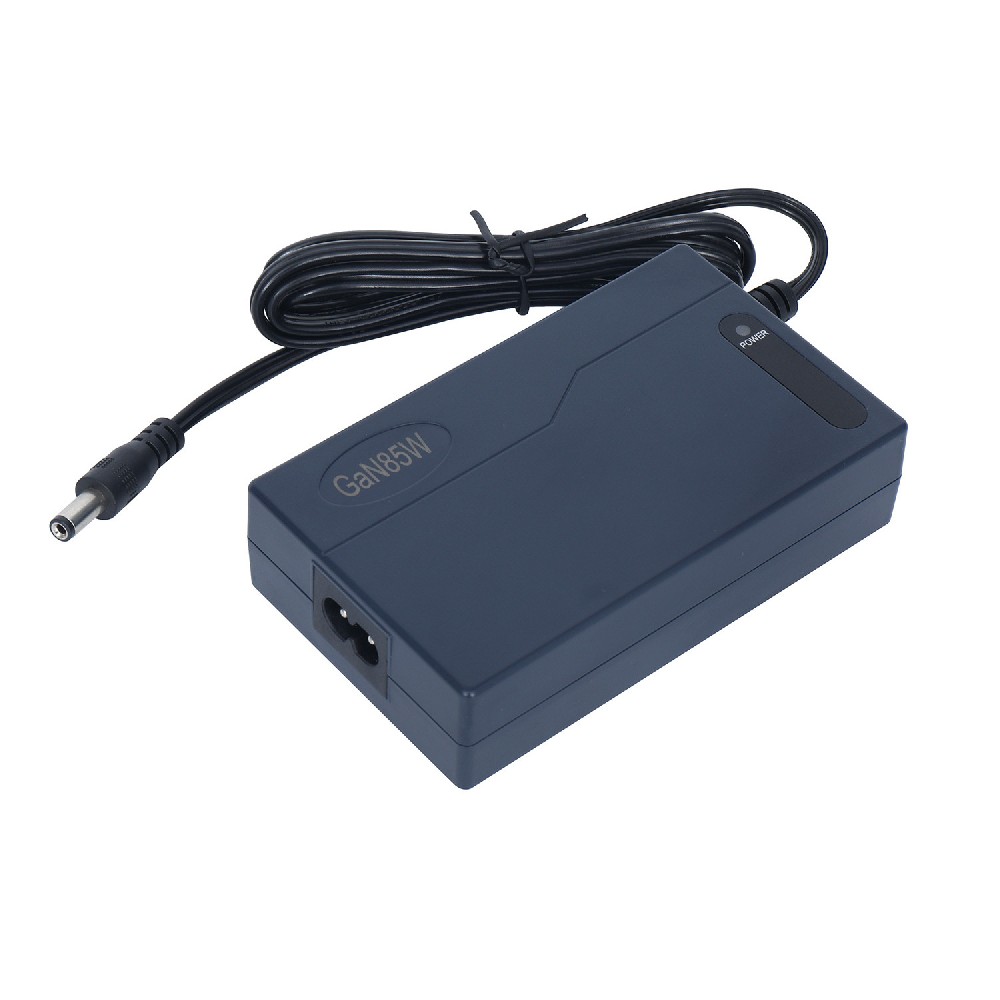
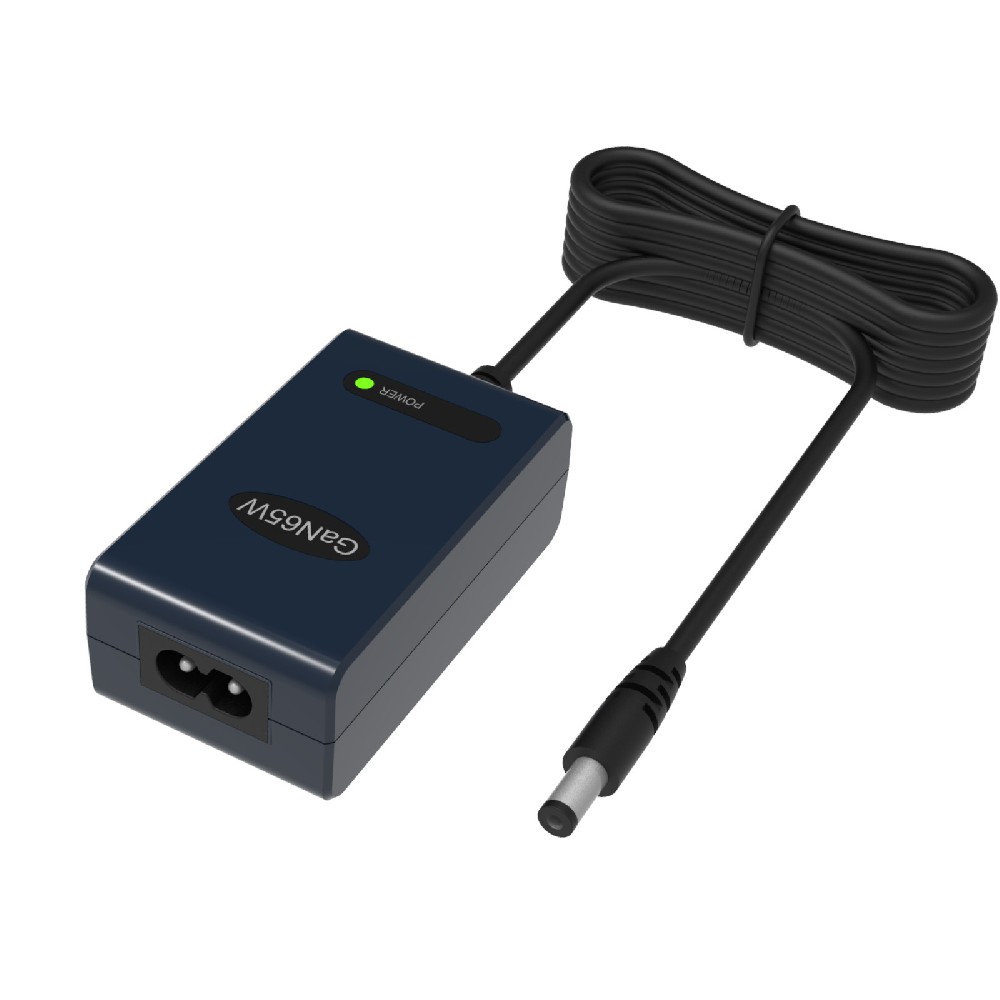
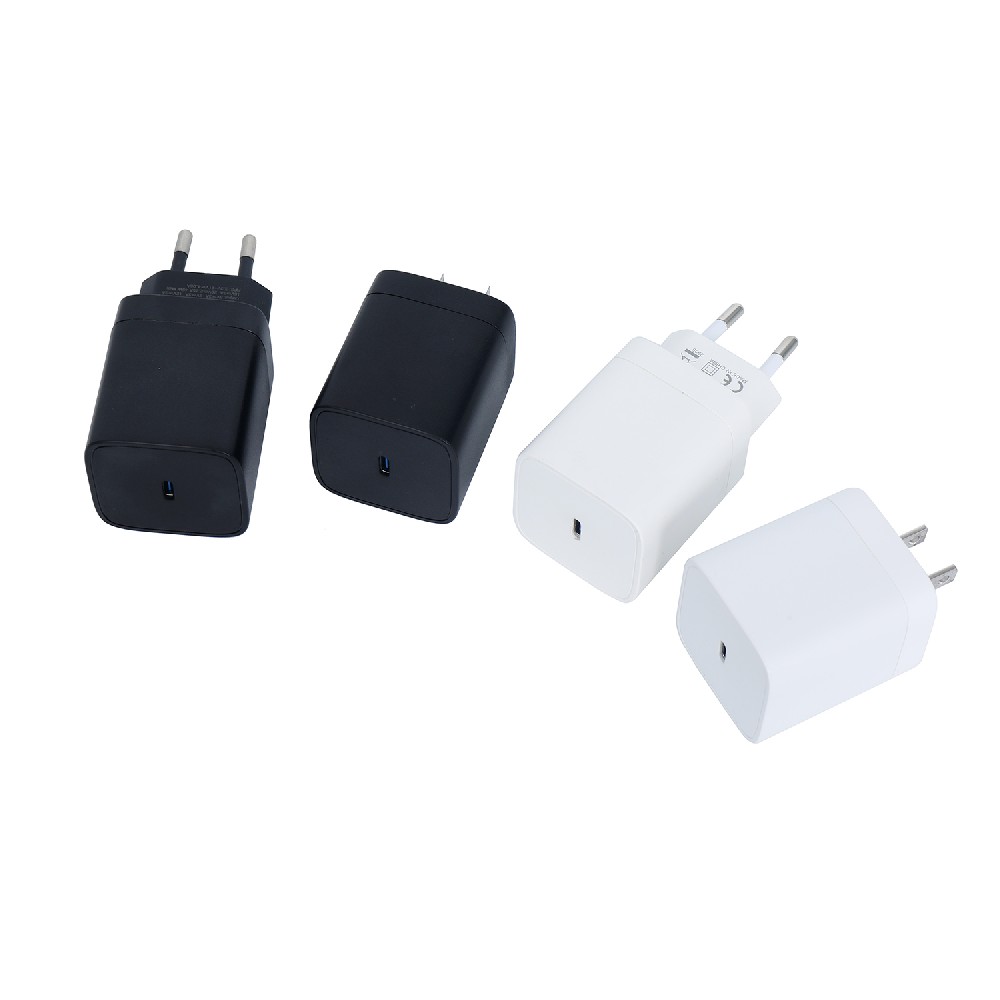
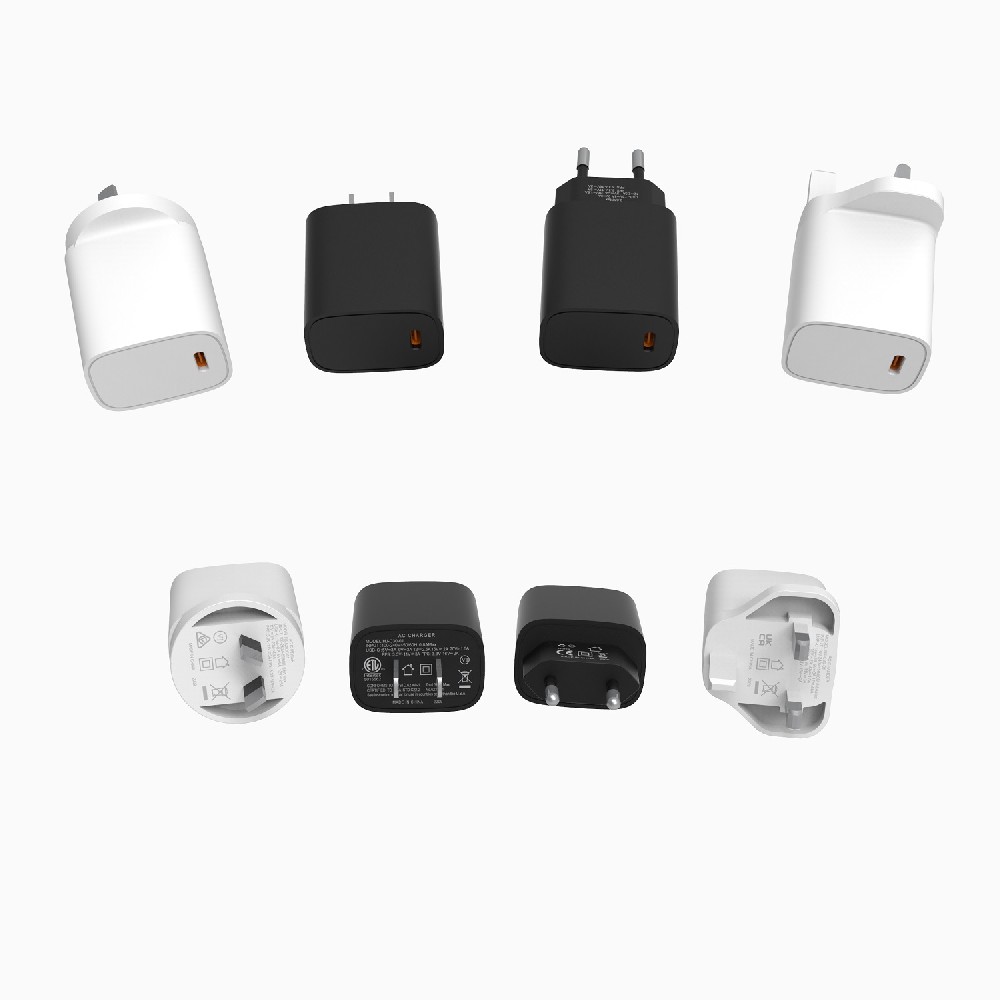
Power Battery Charger Cord: The Ultimate Accessory for Mobile Devices
Published:2023-07-20 00:30:47 Author:Green WCND Views:94Power Battery Charger Cord: A Must-Have Accessory
In today’s fast-paced world, we are always on the go, and our mobile devices are an integral part of our daily lives. Whether we use them for work, entertainment, or communication, our devices require regular charging to stay functional. This is where a power battery charger cord comes in handy.
What is a power battery charger cord?
A power battery charger cord is a cable that connects your mobile device to a power source to recharge its battery. It is available in different lengths and shapes, with various types of connectors to match different devices. The most common connectors are USB Type-A, USB Type-C, Micro-USB, and Lightning, which are used for charging smartphones, tablets, laptops, cameras, and other devices.
Why do you need a power battery charger cord?
The main benefit of a power battery charger cord is convenience. Instead of searching for a power outlet, you can charge your device anywhere, anytime, as long as you have a power source and the cable. For example, you can charge your phone while traveling, at a coffee shop, or at a friend’s house. Additionally, having a power battery charger cord as a backup can save you from the inconvenience of running out of battery and missing important calls or messages.
Another advantage of a power battery charger cord is efficiency. Today’s devices have high-capacity batteries, which require a lot of power to recharge. A power battery charger cord with a high-wattage output can charge your device faster than a standard charger, saving you time and hassle. Moreover, some power battery charger cords have additional features, such as Quick Charge, Power Delivery, and wireless charging, that further enhance the charging speed and convenience.
How to choose the right power battery charger cord?
Choosing the right power battery charger cord depends on your device’s specifications, your needs, and your budget. Here are some factors to consider:
1. Compatibility: Make sure the power battery charger cord is compatible with your device’s charging port and power requirements. If you have multiple devices with different connectors, choose a power battery charger cord with multiple tips or a universal adapter.
2. Length: Consider the length of the power battery charger cord based on where you plan to use it. A longer cord (3-6ft) is ideal for home or office use, while a shorter cord (1-2ft) is better for travel or on-the-go.
3. Material: Look for a power battery charger cord made of high-quality materials, such as nylon braided cable, which is durable, tangle-free, and resistant to wear and tear.
4. Features: Decide if you need any additional features, such as Quick Charge, Power Delivery, or wireless charging. These features may increase the price of the power battery charger cord, but they can also enhance the performance and convenience.
Conclusion
A power battery charger cord is a must-have accessory for anyone who uses mobile devices regularly. It provides convenience, efficiency, and versatility, allowing you to charge your device anywhere, anytime. When choosing a power battery charger cord, make sure it is compatible with your device, consider the length and material, and look for additional features that match your needs. With a reliable power battery charger cord, you can stay connected, productive, and entertained without worrying about running out of power.

Power Adapter Design and Customization Guide for Portable Electric KettlesI. Common Design Types for Portable Electric Kettle Power AdaptersPortable electric ke···
I. Common Design Types of Power Adapters External Independent Type (Most Common) Design: A standalone adapter (e.g., "black brick") connected to the p···
Handheld Vacuum Cleaner Power Adapter Selection GuideIntroductionHandheld vacuum cleaners have become a mainstream tool for household cleaning due to their port···
Drill Power Adapter Selection Guide.drill-container { font-family: Arial, sans-serif; line-height: 1.6; max-width: 800px; margin: 0 auto; padding: 20px; } .dril···
