Information Center
What are the application advantages of AGM Battery in the marine field? How to choose AGM Battery charger for ships?
Published:2024-12-04 16:35:16 Author:admin Views:58I. Applications of AGM Batteries in the Marine Sector
AGM Batteries (Absorbent Glass Mat Batteries) are widely used in various applications within the marine sector that require stable and reliable power supply. These include navigation equipment, communication devices, pumps, refrigeration systems, and other critical shipboard systems. The reliable power supply capability of AGM Batteries makes them an ideal choice for these systems, which are crucial for the safe navigation and normal operation of ships.
II. Advantages of AGM Batteries
Ease of Maintenance: AGM Batteries feature a sealed structure, eliminating the need for regular addition of distilled water and concerns about acid leakage, significantly reducing maintenance workload.
Shock and Vibration Resistance: The compact internal structure of AGM Batteries allows them to withstand vibrations and shocks encountered during ship navigation, ensuring stable power supply.
Long Lifespan: AGM Batteries typically have a lifespan of over six years, significantly longer than conventional lead-acid batteries, reducing the frequency and cost of battery replacement.
High Performance: AGM Batteries can quickly charge and discharge, meeting the power demands of shipboard systems during startup and operation.
III. Comparison with Other Types of Batteries
Comparison with Lithium Batteries:
Energy Density: Lithium batteries generally have higher energy density than AGM Batteries, but AGM Batteries can still meet the energy requirements within the range of marine applications.
Cost: AGM Batteries are typically less expensive than lithium batteries, making them more attractive for budget-conscious ships.
Safety: AGM Batteries exhibit stable performance in terms of safety, while lithium batteries may pose safety risks under conditions of overcharging, over-discharging, or high temperatures.
Comparison with Conventional Lead-Acid Batteries:
Separator Design: AGM Batteries use advanced separator designs that facilitate rapid ion transfer, enhancing charging and discharging performance.
Lifespan: The lifespan of AGM Batteries is more than three times that of conventional lead-acid batteries, reducing the frequency and cost of battery replacement.
Maintenance Requirements: AGM Batteries require no regular maintenance, while conventional lead-acid batteries need periodic addition of distilled water and electrolyte level checks.
IV. Disadvantages of AGM Batteries
Higher Initial Cost: The initial purchase cost of AGM Batteries is typically higher than that of conventional lead-acid batteries.
Poor Heat Resistance: AGM Batteries, like other sealed batteries, are less resistant to heat and should be installed away from high-temperature areas such as engines.
V. Selection of AGM Battery Charger for Marine Applications
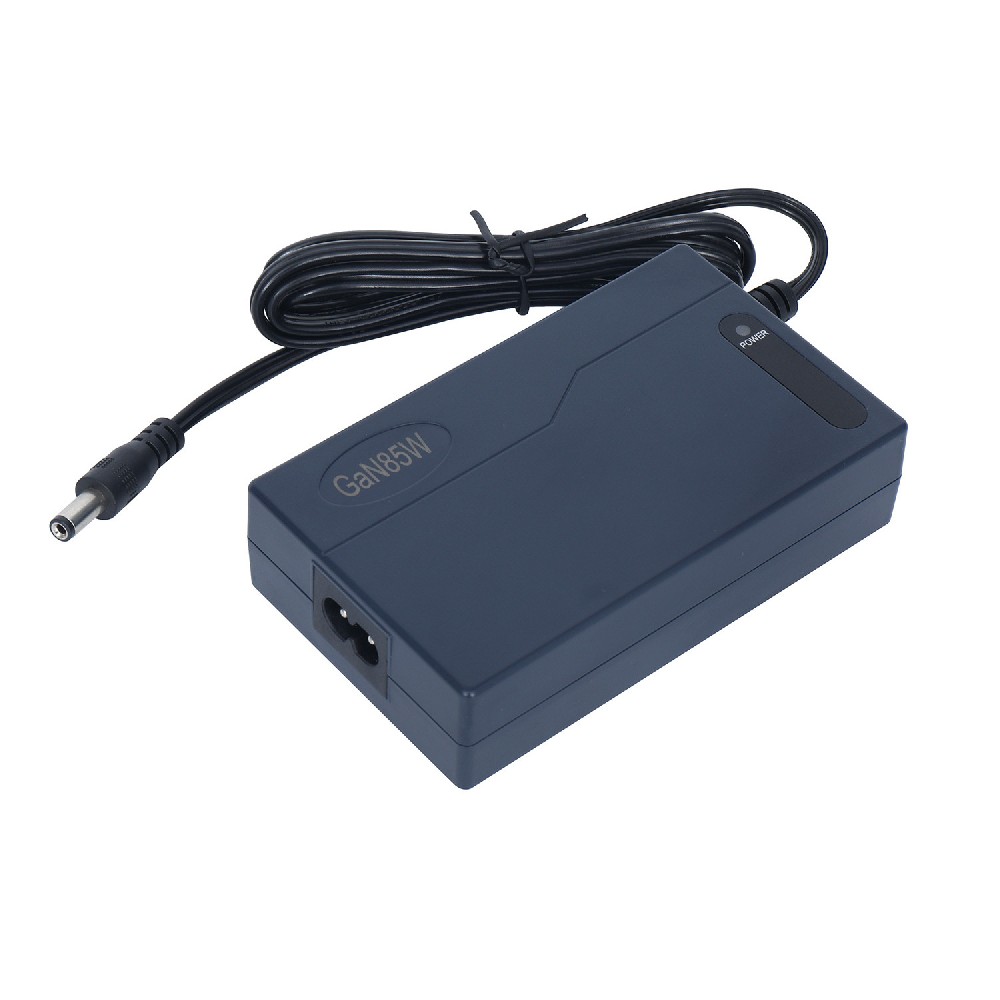
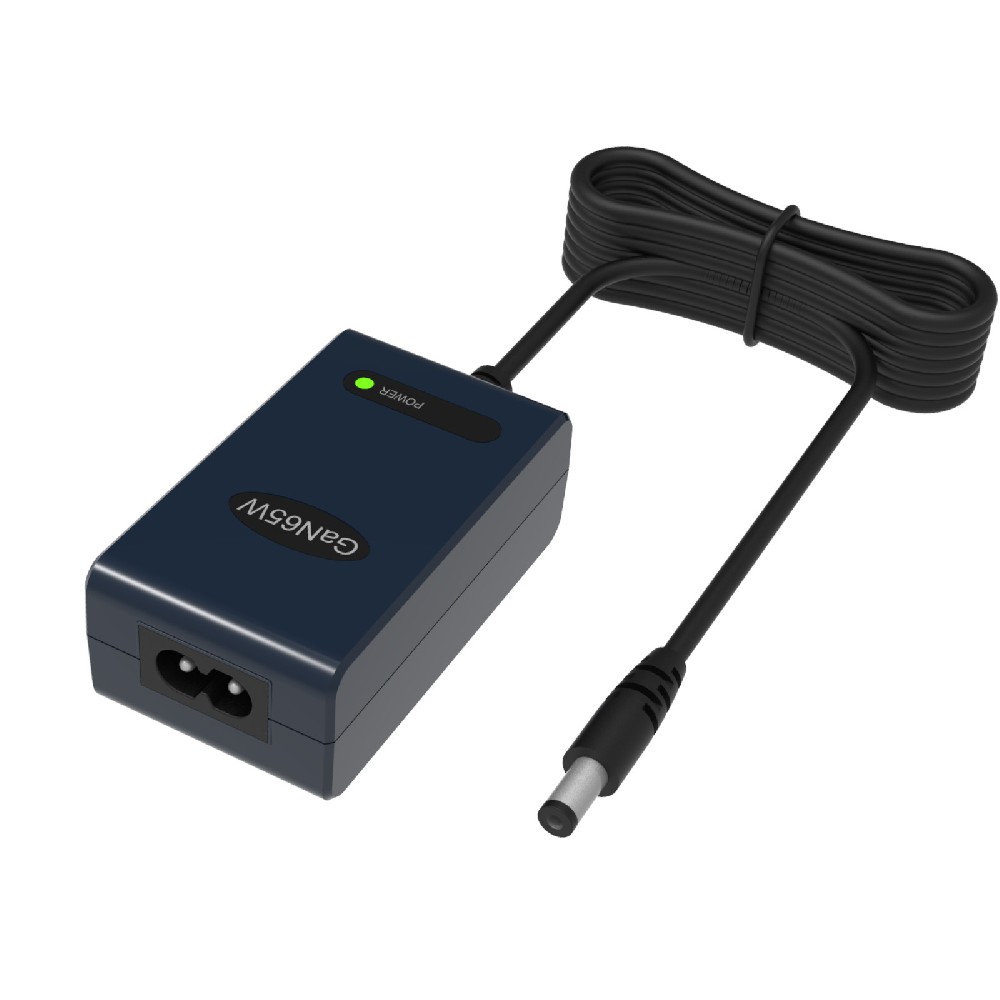
Battery Type Compatibility: Ensure that the charger supports the charging needs of AGM Batteries and can adjust charging parameters to adapt to different battery states.
Voltage and Capacity: Choose a charger with an output voltage and current that meet the requirements of AGM Batteries to ensure charging efficiency and safety.
Waterproof and Moisture-proof: Select a charger with good waterproof and moisture-proof capabilities to adapt to the humid environment in marine applications.
Corrosion-resistant Materials: The charger should be made of corrosion-resistant materials to resist the erosion of seawater and salt spray, extending its lifespan.
Smart Charging Management: Choose a charger with smart charging management features, such as constant current-constant voltage charging modes, to adapt to different charging stages of AGM Batteries.
Multiple Protections: Ensure that the charger has multiple protection functions, such as overcharge, overcurrent, short circuit, and temperature protection, to ensure safety and reliability during charging.
In summary, AGM Batteries have broad application prospects and significant advantages in the marine sector. When selecting a charger, it is important to consider factors such as battery type compatibility, voltage and capacity, waterproof and moisture-proof capabilities, corrosion-resistant materials, smart charging management, and multiple protections to ensure the safety and suitability of the charger.

Power Adapter Design and Customization Guide for Portable Electric KettlesI. Common Design Types for Portable Electric Kettle Power AdaptersPortable electric ke···
I. Common Design Types of Power Adapters External Independent Type (Most Common) Design: A standalone adapter (e.g., "black brick") connected to the p···
Handheld Vacuum Cleaner Power Adapter Selection GuideIntroductionHandheld vacuum cleaners have become a mainstream tool for household cleaning due to their port···
Drill Power Adapter Selection Guide.drill-container { font-family: Arial, sans-serif; line-height: 1.6; max-width: 800px; margin: 0 auto; padding: 20px; } .dril···
