Information Center
What are the advantages of using lithium batteries for AEDs? What should I pay attention to when looking for a supplier to customize AED lithium battery charger?
Published:2024-12-30 10:32:35 Author:admin Views:69Adopting lithium batteries in AEDs (Automated External Defibrillators) offers significant advantages, particularly when using non-rechargeable lithium manganese dioxide batteries. Here are the advantages of AEDs using lithium batteries:
High Energy Density: For the same volume, non-rechargeable lithium manganese dioxide batteries have greater electrical capacity. This means AEDs can maintain operational status for longer periods, providing more support during emergencies.
Slow Self-Discharge Rate: These batteries have a slow self-discharge rate, resulting in longer storage life. This is crucial for AEDs, which are low-use probability devices, reducing maintenance and labor costs.
Wide Operating Temperature Range: They can operate within a temperature range of -40°C to +50°C, demonstrating strong adaptability and resilience against extreme weather conditions.
High Current Capability: AEDs require substantial current for defibrillation. For the same volume, non-rechargeable lithium manganese dioxide batteries can provide higher currents, meeting the operational demands of AEDs.
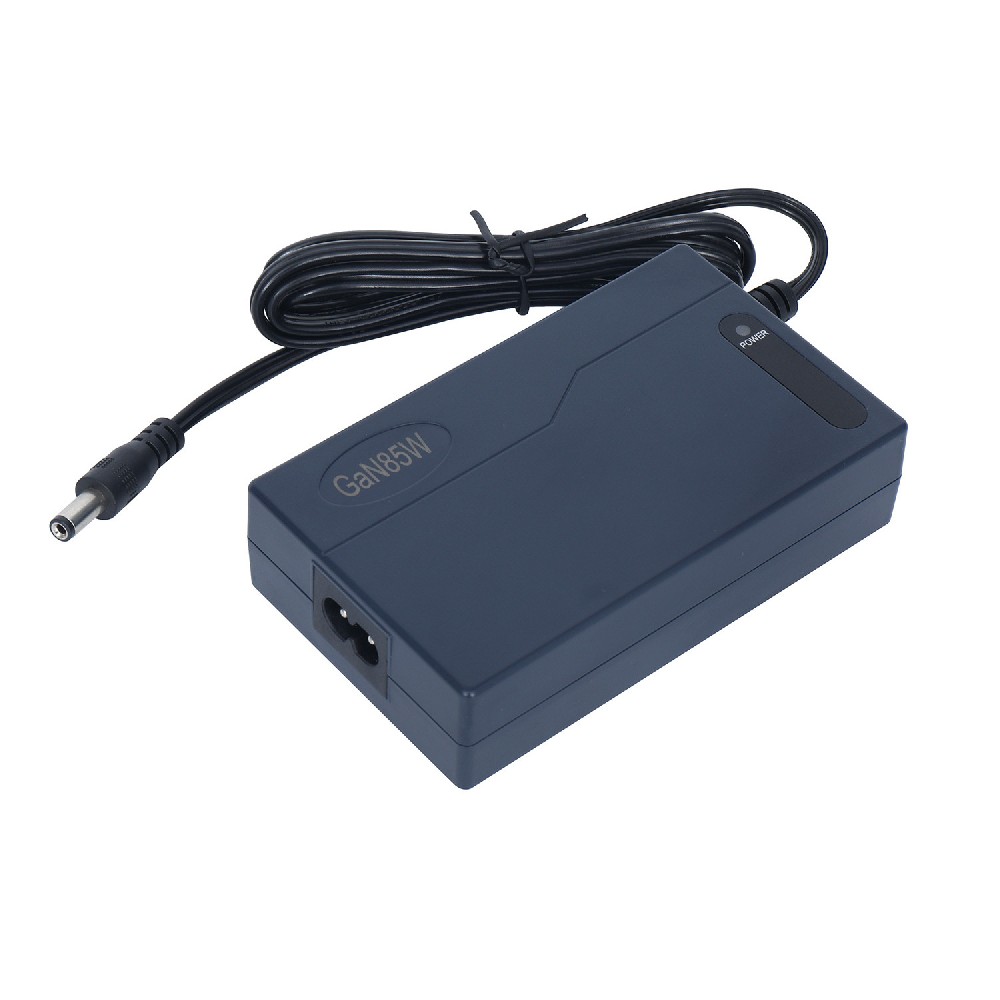
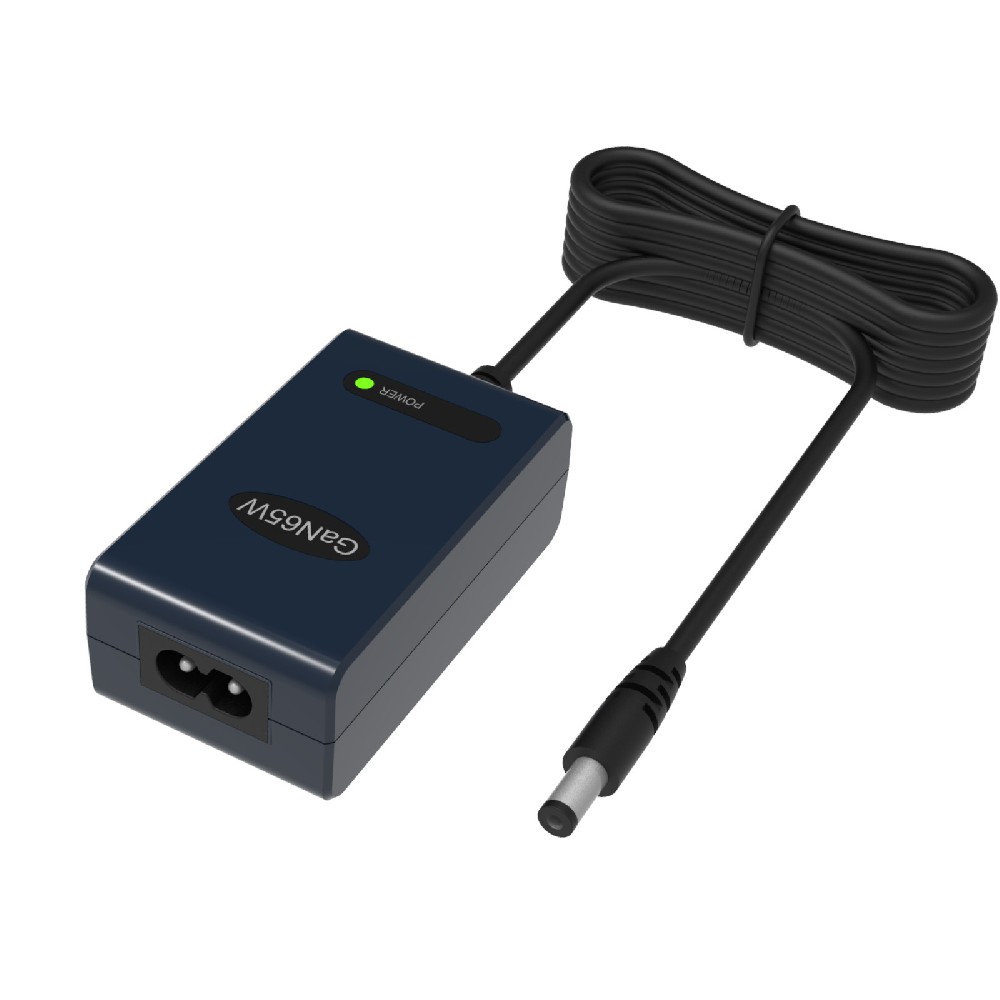
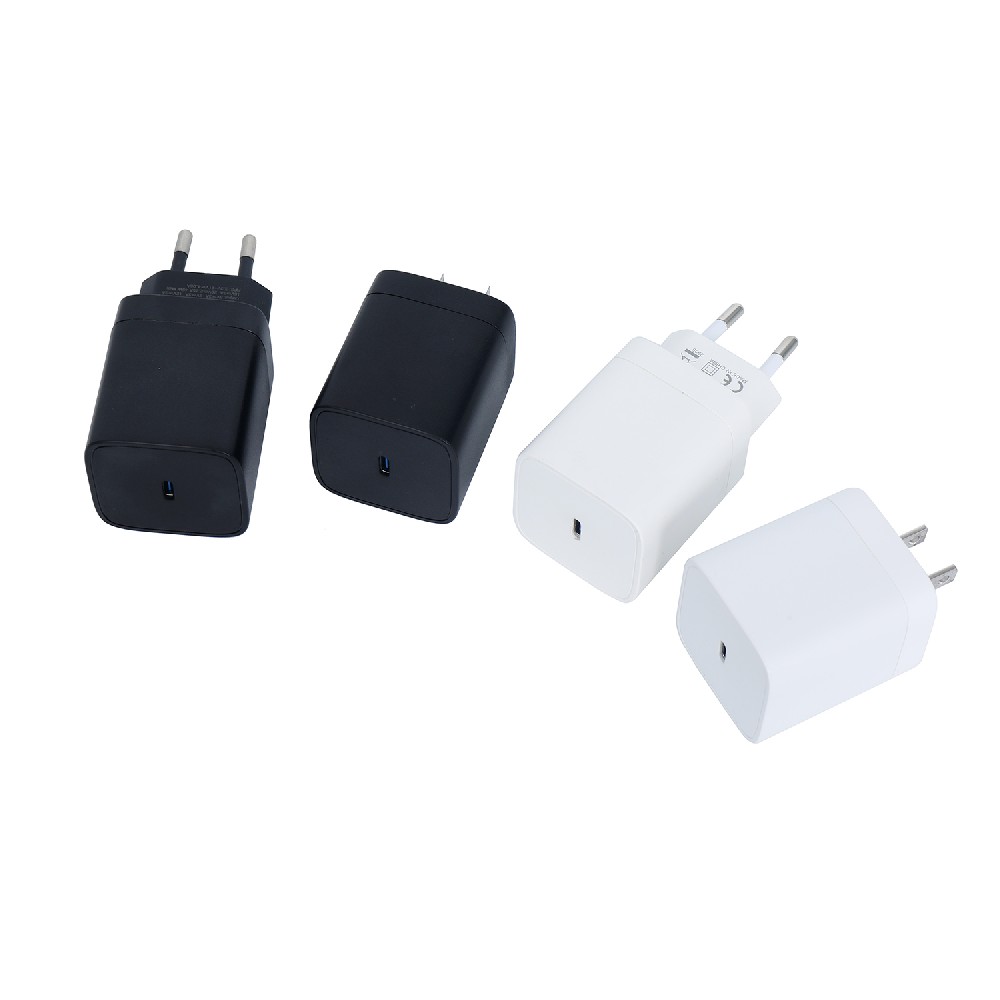
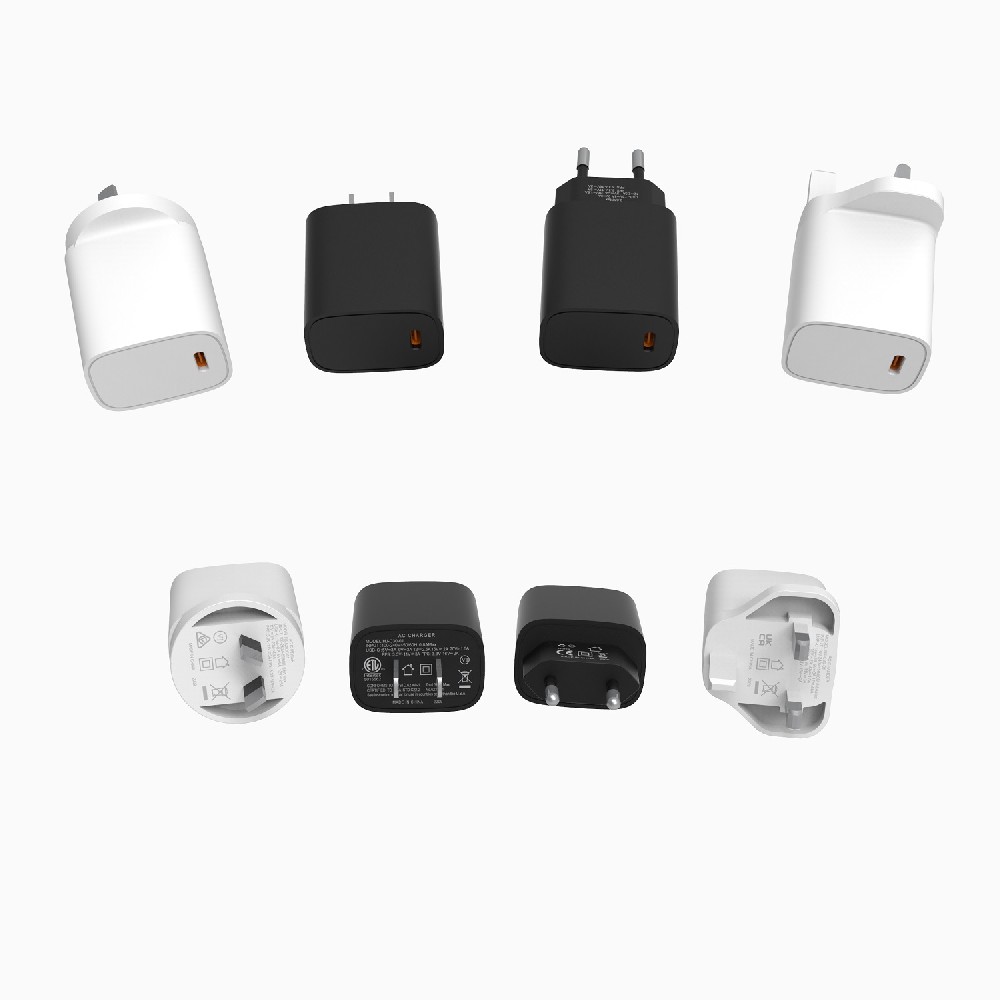
When seeking suppliers to customize AED lithium battery chargers, attention should be paid to the following considerations:
Compatibility: Ensure that the charger's voltage and current match the specifications of the AED lithium battery. Excessive or insufficient voltage and current can damage the battery or even pose safety hazards.
Safety: The charger should have safety features such as overcharge protection, overcurrent protection, leakage protection, and temperature control protection to ensure safety during use. Additionally, the charger itself should comply with relevant safety standards and certifications, such as 3C, CE, UL, etc.
Brand and Reputation: Choose suppliers of well-known brands, which typically offer better quality and service guarantees. At the same time, consider other users' evaluations and feedback to understand the charger's performance and stability.
Customization Needs: Clearly define the customization requirements for the AED lithium battery charger, such as charging speed, charging mode, interface type, etc. Communicate fully with the supplier to ensure that the charger meets the actual operational needs of the AED.
After-Sales Service: Understand the supplier's after-sales service policies, including warranty duration, repair services, technical support, etc. In the event of charger failures or issues, timely maintenance and replacement services should be available.
In summary, AEDs adopting lithium batteries offer numerous advantages, and when customizing AED lithium battery chargers, factors such as compatibility, safety, brand and reputation, customization needs, and after-sales service should be comprehensively considered.
li ion charger Manufacturer
12 V lithium battery charger Manufacturer
24 V lithium battery charger Manufacturer
36 V lithium battery charger Manufacturer

Power Adapter Design and Customization Guide for Portable Electric KettlesI. Common Design Types for Portable Electric Kettle Power AdaptersPortable electric ke···
I. Common Design Types of Power Adapters External Independent Type (Most Common) Design: A standalone adapter (e.g., "black brick") connected to the p···
Handheld Vacuum Cleaner Power Adapter Selection GuideIntroductionHandheld vacuum cleaners have become a mainstream tool for household cleaning due to their port···
Drill Power Adapter Selection Guide.drill-container { font-family: Arial, sans-serif; line-height: 1.6; max-width: 800px; margin: 0 auto; padding: 20px; } .dril···
