Information Center
The Truth About LiFePO4 Batteries: Do They Really Need Special Chargers for Optimal Performance?
Published:2023-06-13 10:34:48 Author:Green WCND Views:89As the world begins to shift towards renewable energy, there has been a growing demand for more efficient and durable energy storage systems. One of the most popular choices for batteries in renewable energy systems is Lithium Iron Phosphate (LiFePO4) batteries, owing to their stable and reliable energy storage capabilities. However, one question that arises with the use of these batteries is whether they require special chargers.
To answer the question briefly, yes, LiFePO4 batteries require a special charger. But why is that so?

Firstly, unlike traditional lead-acid batteries, LiFePO4 batteries have a different charging profile. While traditional batteries can be charged with a constant current, LiFePO4 batteries require a constant voltage charge. This means that the charger needs to be able to regulate the voltage and maintain it at a steady level throughout the entire charging cycle. If the voltage is too high, it can cause damage to the battery and shorten its lifespan. On the other hand, if the voltage is too low, the battery may not fully charge, resulting in reduced capacity and performance.
Secondly, LiFePO4 batteries are more sensitive to temperature changes compared to other battery types. This is because the chemical composition of the battery is sensitive to temperature fluctuations. Therefore, the charger for LiFePO4 batteries needs to have a temperature sensor that can monitor the battery temperature and adjust the charging current accordingly. This ensures that the battery is not overcharged or undercharged, which can affect its performance and lifespan.
Lastly, LiFePO4 batteries have a built-in protection circuit that limits the charging and discharging current, as well as the voltage. This protection circuit is essential for preventing overcharging, over-discharging, and short-circuiting. However, most conventional chargers do not take into account the protection circuit of LiFePO4 batteries, and as a result, may cause damage to the battery or decrease its capacity.
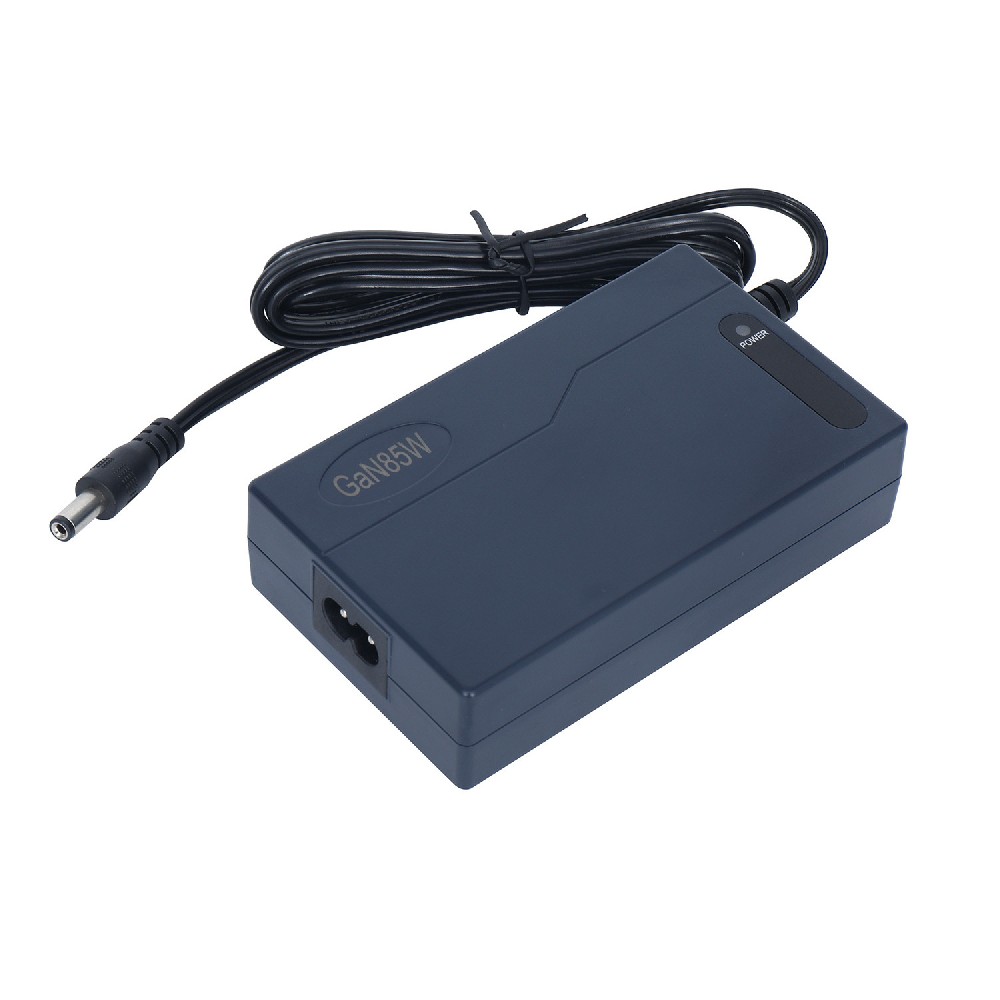
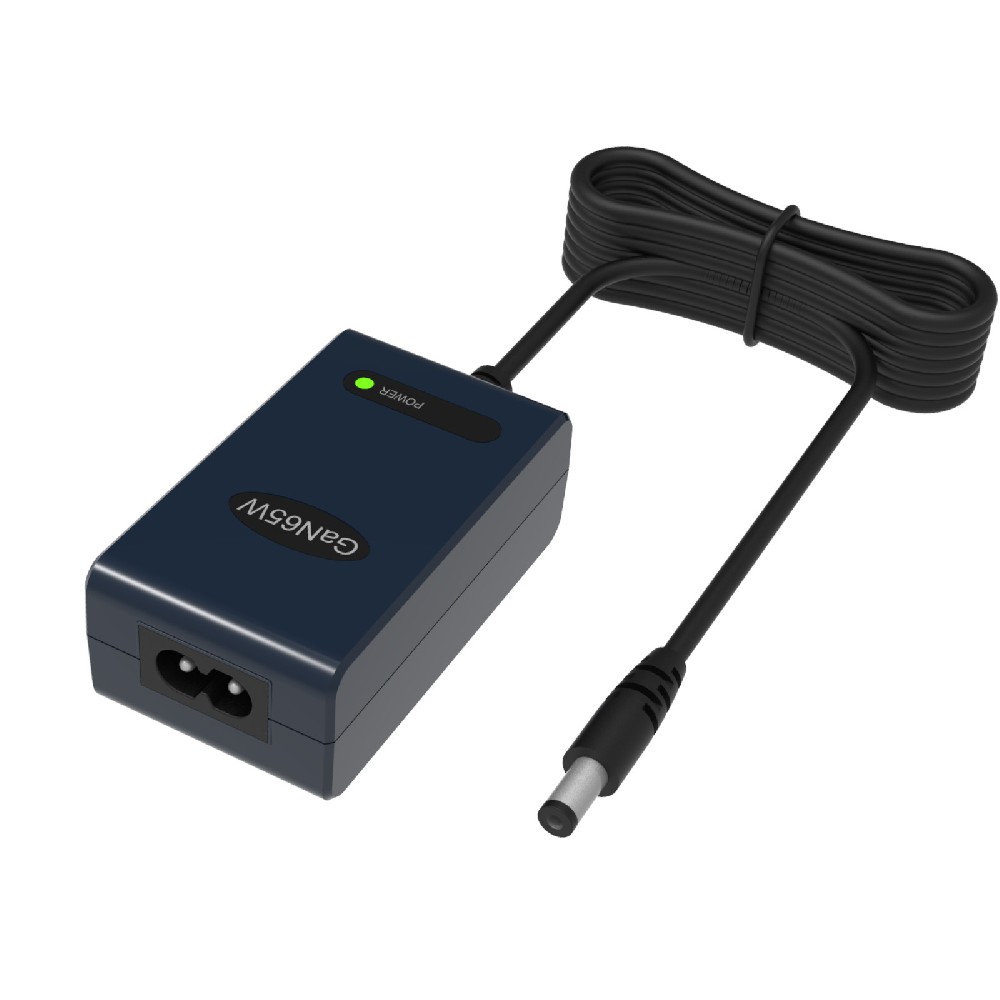
In conclusion, LiFePO4 batteries require a special charger because of their unique characteristics. A charger designed for LiFePO4 batteries should have a constant voltage charge profile, a temperature sensor, and should take into account the built-in protection circuit. Using a regular charger for LiFePO4 batteries can cause damage to the battery or reduce its performance and capacity. Therefore, it is important to invest in a good quality and reliable charger to ensure the longevity and efficiency of LiFePO4 batteries.

Power Adapter Design and Customization Guide for Portable Electric KettlesI. Common Design Types for Portable Electric Kettle Power AdaptersPortable electric ke···
I. Common Design Types of Power Adapters External Independent Type (Most Common) Design: A standalone adapter (e.g., "black brick") connected to the p···
Handheld Vacuum Cleaner Power Adapter Selection GuideIntroductionHandheld vacuum cleaners have become a mainstream tool for household cleaning due to their port···
Drill Power Adapter Selection Guide.drill-container { font-family: Arial, sans-serif; line-height: 1.6; max-width: 800px; margin: 0 auto; padding: 20px; } .dril···
