Information Center
Charge Your Batteries Safely and Efficiently: A Comprehensive Guide to Battery Charger Circuits
Published:2023-07-14 00:33:39 Author:Green WCND Views:77Battery Charger Circuit: A Comprehensive Guide
Battery charger circuits are electronic devices used to charge rechargeable batteries. These circuits enable the charging process to be controlled, unlike the uncontrolled charging method where batteries are left to charge unattended. This guide will provide an overview of battery charger circuits and how they work.

Types of Battery Charger Circuits

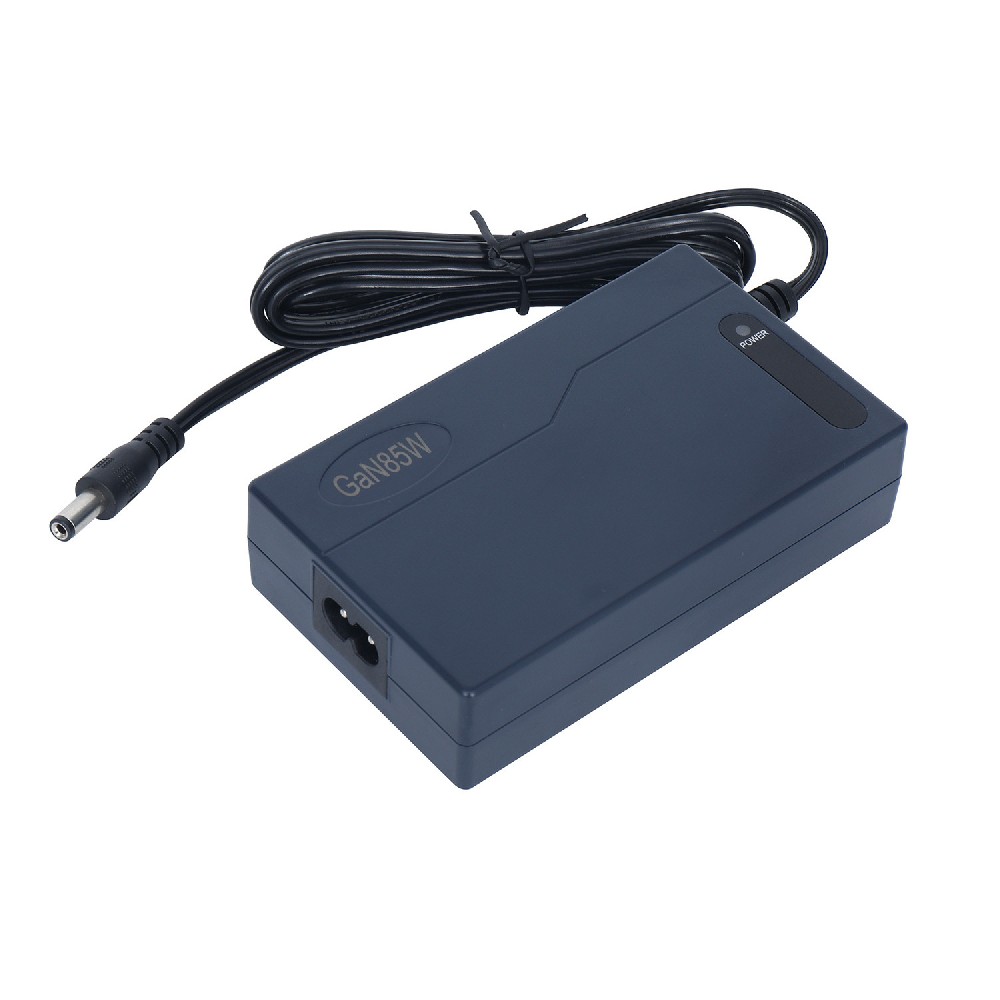
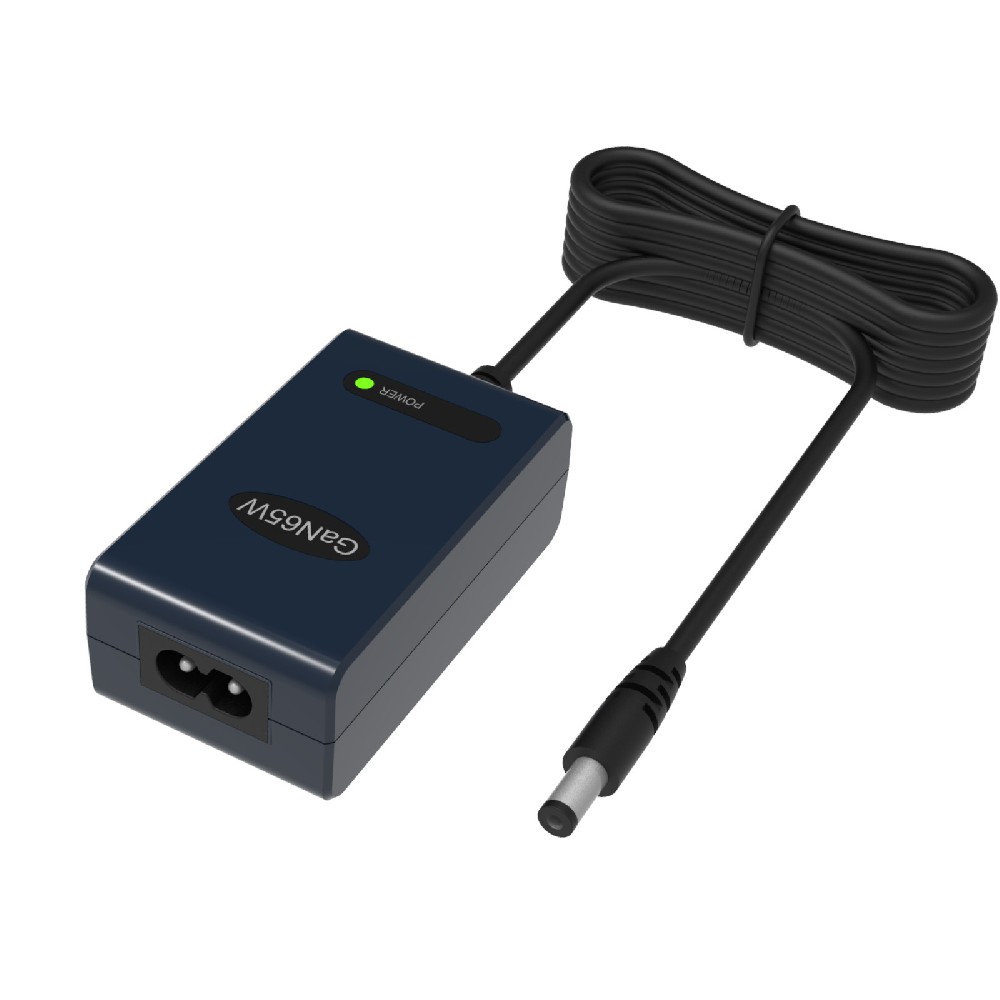
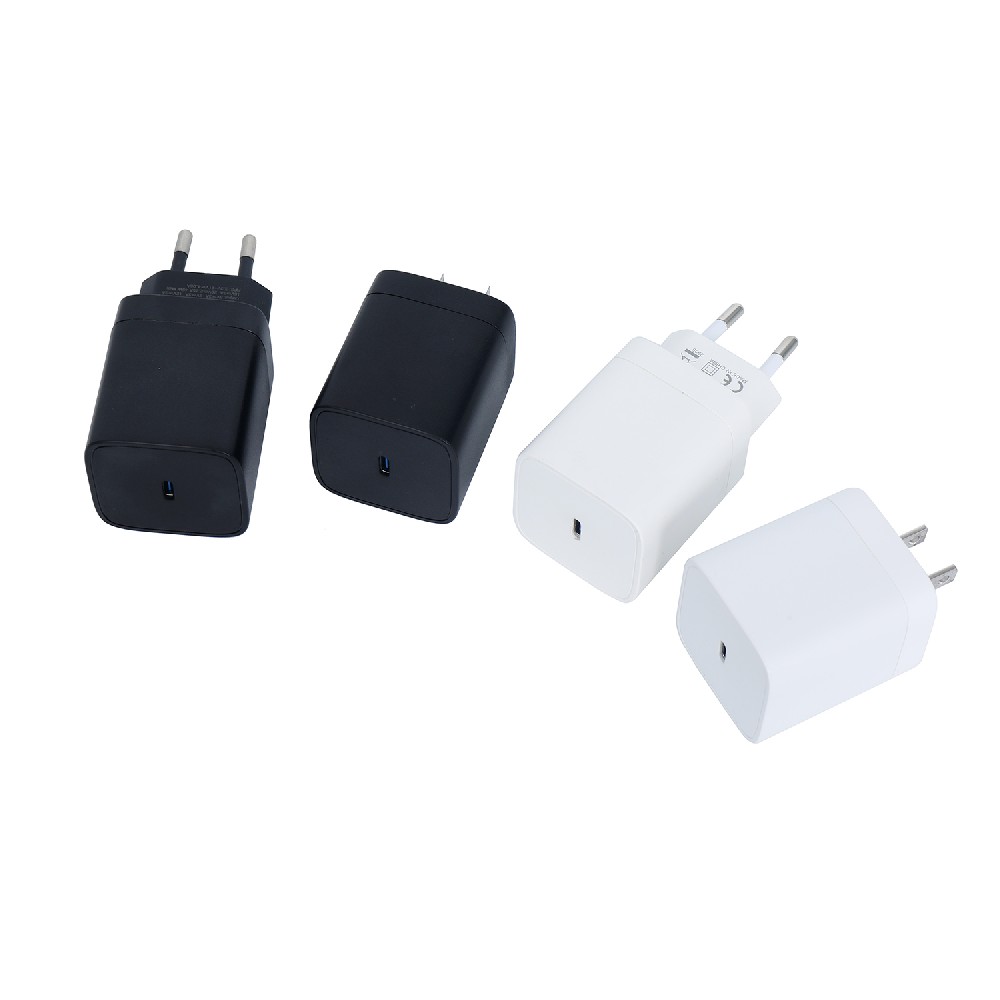
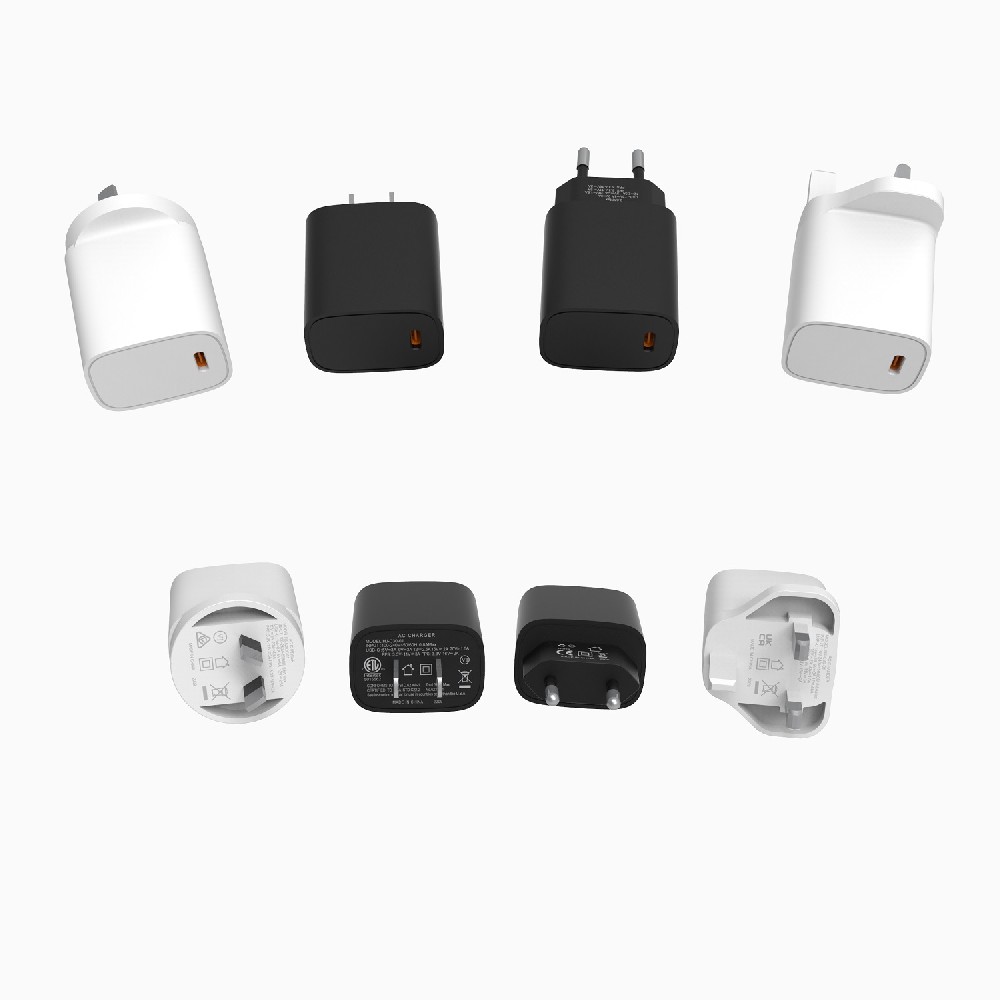
There are two broad categories of battery charger circuits - AC-powered and DC-powered. AC-powered battery charger circuits receive AC power from the mains and convert it into DC power for charging batteries. They can be further subdivided into linear and switched-mode charger circuits. Linear battery charger circuits are simple circuits that use resistors or transistors to control the charging current. Switched-mode charger circuits, on the other hand, use electronic switches like MOSFETs or IGBTs to switch high-frequency DC currents on and off, thus regulating the charging voltage and current.
DC-powered battery charger circuits are typically found in portable devices like cellphones and tablets. They draw power from the device’s DC supply and use voltage regulators to provide the necessary charging voltage.
Components of a Battery Charger Circuit
A battery charger circuit consists of several components that work together to provide power to the battery. These include:
1. Transformer - It converts the AC power from the mains into a suitable voltage for the charger circuit.
2. Rectifier - This component converts the AC voltage into a pulsating DC voltage.
3. Filter - Filters out the unwanted AC component in the DC voltage to provide a stable DC voltage for charging.
4. Regulator - Regulates the charging voltage to ensure the battery is charged safely and efficiently.
5. Charging Indicator - Provides visual feedback to indicate when the battery is fully charged.
Working Principles of a Battery Charger Circuit
A battery charger circuit works by regulating the charging voltage and current to ensure the battery is charged safely and efficiently. When the battery is connected to the charger, the charging current is initially high, but as the battery charges, the current decreases, and the voltage increases. The regulator continuously monitors the voltage and current to ensure they remain at a safe level. Once the battery is fully charged, the regulator stops the charging process and the charging indicator displays to indicate that the battery is fully charged.
Advantages of Battery Charger Circuits
Battery charger circuits have several advantages, including:
1. Improved Battery Life - Battery charger circuits ensure batteries are charged safely and efficiently, which leads to longer battery life.
2. Convenience - Battery charger circuits can be programmed to charge batteries automatically, making them more convenient to use.
3. Cost savings - Battery charger circuits reduce the need to replace batteries frequently, which leads to cost savings in the long run.
Conclusion
Battery charger circuits are essential components that enable rechargeable batteries to be charged safely and efficiently. They consist of several components that work together to ensure the charging process is controlled and regulated. By using a battery charger circuit, you can enjoy improved battery life, convenience, and cost savings.

Power Adapter Design and Customization Guide for Portable Electric KettlesI. Common Design Types for Portable Electric Kettle Power AdaptersPortable electric ke···
I. Common Design Types of Power Adapters External Independent Type (Most Common) Design: A standalone adapter (e.g., "black brick") connected to the p···
Handheld Vacuum Cleaner Power Adapter Selection GuideIntroductionHandheld vacuum cleaners have become a mainstream tool for household cleaning due to their port···
Drill Power Adapter Selection Guide.drill-container { font-family: Arial, sans-serif; line-height: 1.6; max-width: 800px; margin: 0 auto; padding: 20px; } .dril···
